
How to Introduce Your New Cat to Your Resident Cat Smoothly
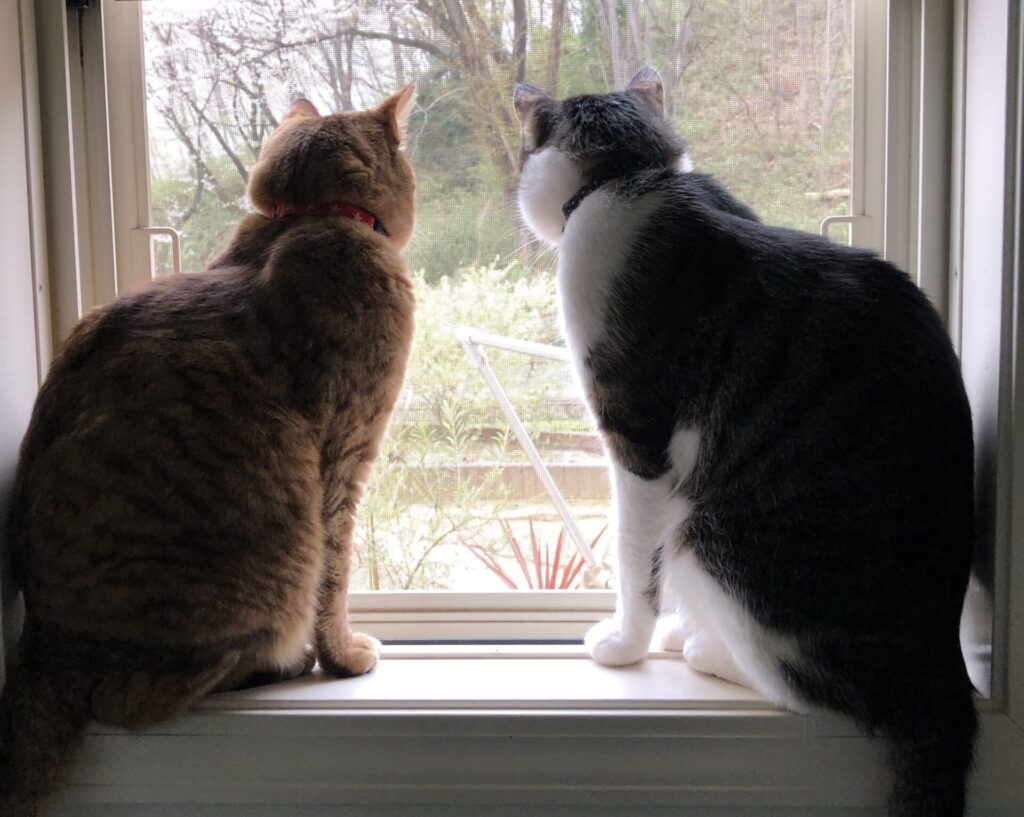
How to Introduce Your New Cat to Your Resident Cat Smoothly “How to introduce new cat to my resident cat?” This is a common question for cat owners. Bringing a new cat into a home is exciting, but for them, it can be a source of stress. Since cats are highly territorial animals that deeply connected to their space and routine, the sudden arrival of a new cat is often viewed as a threat by the resident cat which can lead to behaviors like hiding, hissing, or aggression. The key to a successful introduction is patience. Every cat adjusts differently, so it is very important to allow them to move through each introduction stage at their own pace. This ensures the process low stress and ultimately positive for everyone. Step1. Preparing for Introducing a New Cat to Your Resident Cat Before you bring your new cat home, the most essential task is setting up a designated sanctuary room. This room should be separated from your resident cat’s favorite areas. Within this room, you must ensure your new cat has everything they need to feel safe and comfortable: Comfort essentials: Provide at least one comfortable sleeping area with soft blanket and one safe hiding spot such as large cardboard box or their open carrier. Basic Needs: Include a litter box, a freshwater bowl, and a food bowl. Resident Cat Safety: While focusing on the new cat, remember to ensure your resident cat also needs access to their own established safe spaces and routines. Introducing a sanctuary space immediately reduces anxiety for the new cat and prevents the resident cat from feeling threatened by a sudden newcomer. Step2. Scent Swapping When Introducing a New Cats to Your Resident Cat As cats are often described as “Scent animal”, cats heavily rely on smell to evaluate information about others, such as their personality, health status, and whether they are threat or not. Therefore, getting the cats used to each other’s scent before they meet is crucial. This step significantly reduces initial stress and minimizes territorial disputes. Scent swapping allows your new and resident cats to communicate information without any direct interaction. This essential method addresses the cats’ strong territorial instincts preventing initial aggression, voiding hissing, fighting, and threatening behavior. How to Start the Scent Swap Exchange their blanket: This allows them to investigate the new scent in a safety place. Associate Scent with Routine: Place toys or food bowls close to the other cat’s bedding or litter box area. By feeling each other’s smell regularly and associating it with daily routines, they begin to recognize the other cat not as a danger, but simply as a part of the shared environment. This step is key to avoiding unnecessary stress and aggression in the later stages of introduction. Step3. Allow Access to Each Cat’s Area for a Smooth Introduction Because cats are so intensely territorial, the sudden appearance of a new cat’s scent and presence in their established territory can quickly trigger anxiety, stress, and aggressive behavior. To prevent this, the next step involves allowing each cat access to the other’s room, but only when the other cat is absent. Acknowledge Existence: They began to understand, “There is another cat here” without feeling the need to attack or defend. Encourage Acceptance: They can calmly explore the new scents and environments, helping them accept the other’s smell not as a threat but as a normal part of their daily life. Prevent Aggression: This gradual exposure prevents sudden territorial disputes and minimizes the chance of fear-based aggression during future meetings. Step4. Gradually Increase Interactions Between Your New Cat and Resident Cat Once your cats appear comfortable, begin short, controlled direct interactions. The goal of this phase is to create a safe and positive first meeting experience where you actively manage and reward their behavior to build a stable relationship. Manage & Monitor To prevent aggression, you must monitor all early meetings: Keep it Shorter: Repeat many short interactions rather than forcing one long one. Safety First: Immediately separate the cats if you see signs of fighting or major stress. Reward Positive Behavior Use immediate rewards to teach your cats that the other’s presence is a good thing. When they are calm, immediately offer treats or gentle cuddle. This positive reinforcement is the key which help them to learn that “Good things happen when the other cat is around. The Key to Success: Patience and Belief Introducing a new cat to your resident cat can sometimes take time, and things may not always go exactly as planned. However, if you follow the steps, most cats eventually learn to accept one another and live together happily. Because cats are instinctively sensitive about their territory, it is crucial to bring them together slowly, step-by-step. As we Whisker Home recommend, this gradual process minimizes stress levels and aggressive behavior for both your new and resident cat. It starts with small steps, but if you remain patient and believe in their ability to adapt, success is surely achievable. Remember, your unconditional love and patience are the true keys to helping your new cat and resident cat peacefully live together. When introducing new cat to your resident cat, don’t be anxious or stressed. Let their individual comfort levels and willingness guide the pace of the entire process. Struggling with introducing your new cat to your resident cat? Contact us, we’re here to help you. Ask Whisker Home
The Importance of Microchipping & ID Tags for Every Cat

The Importance of Microchipping & ID Tags for Every Cat Why Every Cat Needs Identification The fear of your beloved cat becoming lost is every owner’s worst nightmare. To prevent this devastating scenario, we Whisker Home strongly recommend that your cat get both microchipping and visible ID tag. This identification system offers the most effective safety net, dramatically increasing the chance of reunion if your cat goes missing. Identification consists of two essential elements. The microchip, a tiny, permanent chip injected under the skin that provides a scannable identification number, and the ID tag, a recognizable tag worn on the collar that offers immediate access to your contact numbers. Since both methods have different roles, this blog will explain why every cat needs this layered approach to ensure their safety and your peace of mind. What is Microchipping Cat and How is it Done? First, what is microchip? Microchips for cats are tiny electronic chips which are about the size of a grain of rice that is injected under cat’s skin, typically between the shoulder blades. What the Microchip Does: Every microchip contains unique identification numbers that can be scanned by a specific device only allows veterinarians, animal shelters, and other authorized individuals to access your cat’s vital information. The microchip contains an identification number however, it does not contain information such as contact, your cat’s medical history, or GPS tracking information. The Simple Procedure: Microchipping is a quick and safe process similar to a routine vaccination. Your veterinarian will use a syringe to inject the microchip under the skin. It may cause minimal discomfort but requires no anesthesia, making it completely safe even for cats with medical history. Benefits of Microchipping Your Cat 1) Microchipping your cat greatly increases your chance of reuniting Statistics consistently show that cat with microchips are significantly more likely to be reunited with their owners than those who are not. While ID tags are crucial, collars and ID tags can easily be removed or fall off. The key advantage of the microchip is that, once implanted, it cannot be lost, removed, or fall off. This provides permanent, non-removable identification for the life of your cat. Microchipping is a vital step in securing a happy reunion. 2) Microchipping provides your cat with lifelong protection One of the greatest advantages is that the microchip is designed to last for your cat’s entire life. Unlike collars or tags that wear out, the implanted chip remains functional and requires absolutely no maintenance or replacement. This makes it a one-time investment in a permanent safety solution. 3) Microchipping helps deter pet theft For owners who allow your cat to spend time outside, the fear of pet theft is real. Stolen cats are often sold far from home, making tracking difficult. However, the microchip serves as a powerful defense. It provides unchangeable proof of ownership. This record is essential for law enforcement and rescue organizations, ensuring your cat can be safely returned to you. The permanent link offers a priceless sense of peace of mind, knowing your cat is always identifiable, even if they are taken. Why ID Tags Are Still Important Even though microchips provide essential identification, ID tags still play a critically important role. Both work together, not one or the other. The primary reason ID tags are necessary is immediate access. If a kind person finds your cat outside seems lost, they are unlikely to have access to a microchip scanner. ID tags exist for this very reason. They are designed to make it easy for anyone to help your cat return home. A visible ID tag attached to a collar can contain a variety of essential information, such as your cat’s name, your phone number and address, or any special needs like chronic health conditions. Thus, it is important for your cat to wear collar with ID tags. While microchips are allowed to access only for authorized individuals, the ID tag works for everyone. Common Questions About Cat Microchipping Is it safe? Yes, microchipping is absolutely safe. The procedure is quick, similar to a routine vaccination. Your cat experiences minimal to no pain and the entire process is complete in just a few seconds. How much does it cost? Even though cats from Whisker Home are already microchipped, the initial microchipping cost is relatively low, usually between $25 and $50 depending on your location and veterinary hospital. Investing in a microchip is a small decision with a potentially huge impact, providing peace of mind and security for you and your cat. How long does microchip last? Microchips have a typical lifespan of about 25 years which is far beyond the lifespan of cats and there is no need for maintenance and replacement Protecting Your Cat Losing a cat is every owner’s worst fear, but it is also highly preventable. As we’ve explored, identification consists of two essential elements. Microchips provide lifelong, permanent identification, while ID tags offer instant, universal access to your contact information. Together, they create the most reliable and safe system for every cat. A single scan of a microchip can truly save your cat’s life and bring them safely back home. Because every cat deserves to safely return to their beloved family. By paring a microchip with a visible ID tag, you give your cat the ultimate protection and provide yourself with invaluable peace of mind. If you ever find a stray cat, please take action! Bring it to a local vet or animal shelter to see if it has a microchip. Your simple act of care could reunite a lost pet with their beloved owner. Explore Whisker Home’s microchipped cats waiting for their forever homes. Find Your Forever Friend
5 Reasons Why Adopting a Rescue Cat Changes Your Life And Theirs

5 Reasons Why Adopting a Rescue Cat Changes Your Life and Theirs Adopting a rescue cat is one of the most ethical and meaningful choices you can make. Not only does it transform the life of a cat in need, but it also brings emotional, financial, and even health benefits into your own life. Whether you are considering adoption for the first time or comparing it with adopting and buying from a breeder or pet store, here are five reasons why choosing a rescue cat can be truly life changing. 1. You Give a Second Chance to a Cat in Need Many rescue cats come from difficult backgrounds such as being abandoned, growing up unsafe environments, and overcrowded shelters. Adoption gives them something they may have never experienced before such as A safe and stable home Consistent and reliable care Emotional security and comfort A loving family By adopting a rescue cat, you are giving them a second chance at life. Something that can make a world of difference to an animal who’s been through a lot. Whether they are shy, traumatized, older, or living with a disability, these cats still deserve a loving home, safety, and dignity. And you could be one to provide it. 2. Spend Less by Adopting Shelter fees are much lower than prices set by breeders and pet stores. When you adopt, your cat will most likely be Spayed and Neutered Vaccinated Microchipped before they are adopted. This saves you amount of money compared to paying for breeders and pet stores. Additionally, some cats from breeders may have genetic disorders or health issues which lead owners to face unexpectedly high veterinary costs. Considering this, choosing cat adoption is a cost-effective and responsible choice. 3. You Are Supporting a More Ethical Choice When you adopt a cat from Whisker Home or other rescue organizations, you help reduce the demand for mass-breeding operations, often called cat mills, where cats may not be well cared for in such conditions: Serve Overbreeding: Since mothers are forced to produce litter after litter without proper time to rest and recover, as a result, kittens may suffer from stunted growth, weakened immune systems, and developmental issues. Moreover, kittens are often separated from their mothers too early, which can lead to fearfulness, aggression, and other behavioral problems due to lack of proper socialization. Inhumane living conditions: While reputable breeders do exist, unethical ones often keep cats in small, overcrowded, and unsanitary cages. These stressful environments lead to chronic stress and serious behavioral issues. High risk of genetic disorder: Overbreeding for specific traits may cause inheritance disorders that affect their health conditions. By choosing adoption, you are supporting ethical practices and help back the cycle of suffering caused by irresponsible breeding. 4. Adopting a Cat Can Boost Your Health Research suggests that living with a cat can have several positive effects on physical and mental health such as Reducing stress level: The soothing sound of a cat’s purr has been linked to calming effects and reduced anxiety levels, a hormone associated with happiness and stress reduction. Lower risk of heart disease: Some studies indicate that cat owners may have a slightly lower risk of heart attacks and cardiovascular diseases, possibly due to the calming effects cats have. Lower blood pressure and heart rate: Studies show that interacting with a cat can result in lower heart rate and blood pressure since purr sounds have calming effect which leads to a decrease in cortisol, the stress hormone that is linked to high blood pressure. 5. A Huge Variety of Cats to Choose From Shelters have a wide range of cats to choose from. While purebreds sometimes have genetic issues, many naturally born mixed breed cats tend to have stronger overall health. Whisker Homes partners with two local shelters, Shelter Fur and Shelter Meow where they care for a variety of cats in different colors, ages, and sizes. No matter what type of cat you are looking for, there is always a good chance you will find the perfect match at a shelter. Whisker Home will help you find the cat who truly fits your lifestyle and personality. Explore Rescue Cat Adoption Is the Better Choice Choosing to adopt a cat is not only a kind gesture but also it’s a decision that can completely transform both your life and theirs. Rescued cats may have experienced fear, loneliness, and a lack of affection for much of their lives. However, by welcoming them into your home, you give them safety, comfort, and unconditional love which are something they may have never truly felt before. From the moment they enter your life, a small but precious miracle begins. Gentle companionship, soft cuddles, and the feeling of being greeted by someone who’s been waiting for you. Those beautiful moments create a bond that makes everyday life deeply and meaningful. While there can be certain advantages to buying from breeders, choosing to adopt a cat who genuinely needs your help can bring you deeper and more meaningful kind of joy. If you are still deciding between buying or adopting, please remember this, “The cat who needs you is already waiting right not, in this very moment.” Considering adoption but still not sure? Contact us ! We’re happy to support you. Get Advise