How to Introduce Your New Cat to Your Resident Cat Smoothly

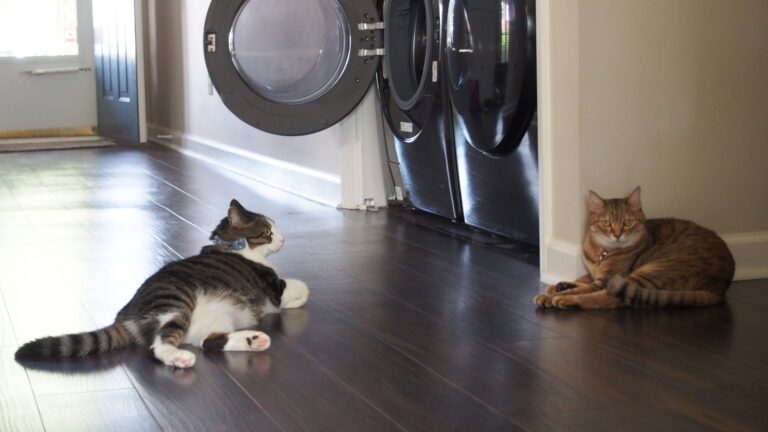
Two cats sitting facing each other

“How to introduce new cat to my resident cat?” This is a common question for cat owners. Bringing a new cat into a home is exciting, but for them, it can be a source of stress. Since cats are highly territorial animals that deeply connected to their space and routine, the sudden arrival of a new cat is often viewed as a threat by the resident cat which can lead to behaviors like hiding, hissing, or aggression.

The key to a successful introduction is patience. Every cat adjusts differently, so it is very important to allow them to move through each introduction stage at their own pace. This ensures the process low stress and ultimately positive for everyone.

Step1. Preparing for Introducing a New Cat to Your Resident Cat

Before you bring your new cat home, the most essential task is setting up a designated sanctuary room. This room should be separated from your resident cat’s favorite areas.

Within this room, you must ensure your new cat has everything they need to feel safe and comfortable:

Comfort essentials:

Provide at least one comfortable sleeping area with soft blanket and one safe hiding spot such as large cardboard box or their open carrier.

Basic Needs:

Include a litter box, a freshwater bowl, and a food bowl.

Resident Cat Safety:

While focusing on the new cat, remember to ensure your resident cat also needs access to their own established safe spaces and routines.

Introducing a sanctuary space immediately reduces anxiety for the new cat and prevents the resident cat from feeling threatened by a sudden newcomer.

Step2. Scent Swapping When Introducing a New Cats to Your Resident Cat

As cats are often described as “Scent animal”, cats heavily rely on smell to evaluate information about others, such as their personality, health status, and whether they are threat or not. Therefore, getting the cats used to each other’s scent before they meet is crucial. This step significantly reduces initial stress and minimizes territorial disputes.

Scent swapping allows your new and resident cats to communicate information without any direct interaction. This essential method addresses the cats’ strong territorial instincts preventing initial aggression, voiding hissing, fighting, and threatening behavior.

How to Start the Scent Swap

Exchange their blanket:

This allows them to investigate the new scent in a safety place.

Associate Scent with Routine:

Place toys or food bowls close to the other cat’s bedding or litter box area. By feeling each other’s smell regularly and associating it with daily routines, they begin to recognize the other cat not as a danger, but simply as a part of the shared environment. 

This step is key to avoiding unnecessary stress and aggression in the later stages of introduction.

Walking cat

Step3. Allow Access to Each Cat’s Area for a Smooth Introduction

Because cats are so intensely territorial, the sudden appearance of a new cat’s scent and presence in their established territory can quickly trigger anxiety, stress, and aggressive behavior. To prevent this, the next step involves allowing each cat access to the other’s room, but only when the other cat is absent.

Acknowledge Existence:

They began to understand, “There is another cat here” without feeling the need to attack or defend.

Encourage Acceptance:

They can calmly explore the new scents and environments, helping them accept the other’s smell not as a threat but as a normal part of their daily life.

Prevent Aggression:

This gradual exposure prevents sudden territorial disputes and minimizes the chance of fear-based aggression during future meetings.

relaxed cat

Step4. Gradually Increase Interactions Between Your New Cat and Resident Cat

Once your cats appear comfortable, begin short, controlled direct interactions. The goal of this phase is to create a safe and positive first meeting experience where you actively manage and reward their behavior to build a stable relationship.

Manage & Monitor

To prevent aggression, you must monitor all early meetings:

Keep it Shorter:

Repeat many short interactions rather than forcing one long one.

Safety First:

Immediately separate the cats if you see signs of fighting or major stress.

Reward Positive Behavior

Use immediate rewards to teach your cats that the other’s presence is a good thing. When they are calm, immediately offer treats or gentle cuddle. This positive reinforcement is the key which help them to learn that “Good things happen when the other cat is around.

sleeping cat

The Key to Success: Patience and Belief
Introducing a new cat to your resident cat can sometimes take time, and things may not always go exactly as planned. However, if you follow the steps, most cats eventually learn to accept one another and live together happily.

Because cats are instinctively sensitive about their territory, it is crucial to bring them together slowly, step-by-step. As we Whisker Home recommend, this gradual process minimizes stress levels and aggressive behavior for both your new and resident cat.

It starts with small steps, but if you remain patient and believe in their ability to adapt, success is surely achievable. Remember, your unconditional love and patience are the true keys to helping your new cat and resident cat peacefully live together. When introducing new cat to your resident cat, don’t be anxious or stressed. Let their individual comfort levels and willingness guide the pace of the entire process.

Struggling with introducing your new cat to your resident cat?

Contact us, we’re here to help you.